
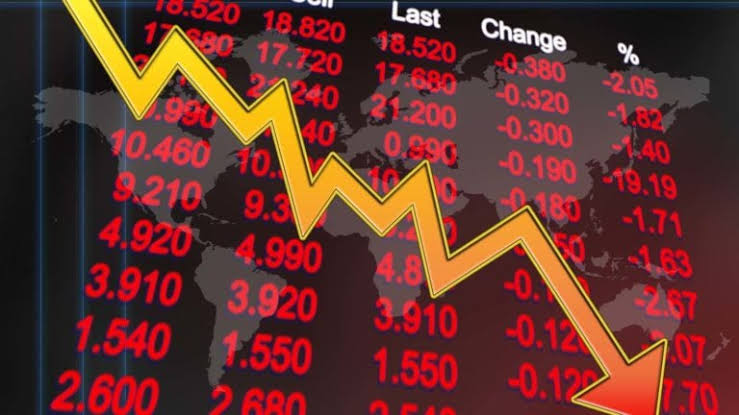
S&P 500 Nasdaq Composite Dow Jones Industrial Average often react sharply changing interest rate expectations inflation reports corporate earnings developments within artificial intelligence industry. Technology stocks can experience particularly large price swings when investors reconsider valuations future growth prospects.
Questions surrounding falling stock prices frequently involve Federal Reserve policy Treasury yields economic uncertainty profit-taking. Market declines rarely have one explanation. Multiple financial developments can influence trading simultaneously creating volatility across retirement accounts investment portfolios institutional holdings.
Why Are Stocks Down S&P 500 Nasdaq AI Sell-Off Fed Rate Hike Market News In US

S&P 500 tracks approximately 500 leading publicly traded American companies. Its performance offers widely followed measure large-cap US equity market conditions.
Nasdaq Composite includes thousands Nasdaq-listed securities with substantial exposure technology-oriented businesses. Strong representation from major growth companies can make index particularly sensitive changing investor expectations.
Dow Jones Industrial Average follows 30 prominent American companies. Its price-weighted structure differs from market-capitalization-weighted indexes producing different responses individual stock movements.
When all three indexes decline together investors often interpret movement as indication broader risk aversion. Individual sectors may still perform differently depending on earnings interest rate sensitivity economic outlook.
Specific percentage losses should come from verified trading data relevant session. Without confirmed market quotations broad claims about current declines cannot establish precise size timing duration sell-off.
Federal Reserve decisions represent major influence on US financial markets. Central bank adjusts monetary policy based on inflation employment conditions economic activity financial stability considerations.
Its principal policy tool involves target range federal funds rate. Changes can influence short-term financing conditions bank lending rates bond yields broader borrowing costs.
Investors closely monitor Federal Open Market Committee announcements economic projections statements from Federal Reserve officials.
Expectations matter almost as much as actual decisions. Stock markets frequently adjust before policy meetings as traders anticipate possible changes.
Unexpectedly restrictive monetary signals can weigh on equities. Conversely signs easing inflation or slower economic growth may increase expectations future rate cuts.
Stock market decline does not necessarily mean Federal Reserve has announced new rate hike. Markets can fall merely because investors assign lower probability anticipated reductions.
Distinguishing actual policy decisions from speculation helps explain financial headlines accurately. Higher-for-longer interest rate outlook differs significantly from confirmed additional tightening.
Inflation remains central factor within monetary policy discussions. Persistent price increases can complicate efforts stabilize economy while supporting employment.
Consumer Price Index measures changes in prices paid urban consumers across representative basket goods services.
Personal Consumption Expenditures price index provides another important inflation measure. Federal Reserve generally emphasizes PCE inflation when assessing progress toward long-run target.
Higher-than-expected inflation readings may lead traders reconsider future interest rate reductions. Bond markets can respond through changing yields while equities adjust altered financing assumptions.
Lower-than-expected inflation may improve market sentiment although reactions depend on economic context investor positioning other incoming information.
Employment reports also influence Federal Reserve expectations. Strong hiring can suggest resilient economic demand while unexpectedly weak labor indicators may raise concerns about slower growth.
Investors evaluate unemployment rates payroll changes wage growth labor force participation revisions earlier data.
One employment report rarely tells complete economic story. Financial markets combine multiple indicators assess whether economy is accelerating slowing approaching recession.
Corporate earnings provide additional source volatility. Quarterly results reveal revenue trends operating margins expenses cash flow management expectations.
Company may report rising profits yet experience falling share price if results fail meet market expectations. Investors often focus on future guidance rather than previously completed quarter.
High valuations increase sensitivity disappointing developments. Stocks priced rapid growth may decline sharply when projected expansion slows.
Technology businesses often face especially intense scrutiny because substantial portions estimated value can depend on earnings expected years into future.
Higher interest rates influence valuation models increasing discount rates applied expected future cash flows. Greater discounting generally reduces present value assigned distant profits holding other assumptions constant.
Growth companies may therefore experience more pronounced valuation pressure during periods rising yields. However business profitability competitive advantages investor expectations also matter.
Artificial intelligence has become major investment theme across American financial markets. Semiconductor manufacturers cloud computing providers software developers data center operators attract attention through expanding AI-related spending.
Companies associated with AI infrastructure can experience substantial share price gains when investors anticipate demand advanced processors computing capacity specialized networking equipment.
Such rallies also create vulnerability when valuations rise faster than underlying earnings. Expectations may become difficult satisfy even when businesses continue reporting strong financial performance.
AI-related sell-offs can occur following cautious corporate guidance concerns about investment returns changing competitive conditions restrictions affecting technology exports.
Questions about infrastructure spending are particularly important. Building large data centers requires significant capital electricity cooling systems networking equipment.
Investors want evidence that expanding computing capacity will translate into durable revenue profitable services sustainable returns.
Heavy investment does not automatically mean weak financial performance. Spending may support future growth though timing potential benefits remains uncertain.
When markets become skeptical about projected returns stocks tied AI development can face selling pressure even without dramatic changes in immediate operating results.
Some investors also take profits after lengthy rallies. Selling appreciated holdings can help rebalance portfolios reduce exposure meet investment mandates.
Profit-taking does not necessarily indicate loss confidence within entire industry. Portfolio managers may simply choose limit concentration after unusually strong performance.
Major technology companies represent substantial share capitalization-weighted indexes. Their price movements can therefore influence S&P 500 Nasdaq Composite disproportionately.
Concentration risk becomes important when relatively small group companies accounts large portion index returns.
Simultaneous decline among leading technology stocks can pull broad indexes lower even when many smaller companies experience limited movement.
Market breadth helps investors understand whether weakness is concentrated or widespread. Analysts examine advancing versus declining stocks sector participation trading volume.
When losses spread across financials industrials consumer discretionary companies utilities market pressure may reflect broader economic concerns.
Sector rotation can occur without major decline in overall market. Investors may sell expensive growth shares while increasing allocations toward defensive companies dividend-paying stocks other sectors.
Defensive industries often include consumer staples utilities certain healthcare businesses. Demand their products may remain relatively stable during economic uncertainty although their shares still face market risk.
Financial companies react changing interest rates through different channels. Banks may benefit from certain lending spreads while experiencing pressure from credit losses deposit costs weaker loan demand.
Industrial companies depend partly on business investment manufacturing activity infrastructure spending global trade conditions.
Consumer discretionary businesses can be affected household budgets wage growth financing costs consumer confidence.
Persistent inflation can reduce purchasing power particularly when wages fail keep pace with rising living expenses.
Higher borrowing costs also influence household spending. Credit card balances auto loans mortgages may become more expensive depending on loan terms rate structures.
Consumer behavior can affect company revenue especially among businesses selling nonessential goods services.
Changes in mortgage rates can influence housing demand construction activity home-related purchases. Housing sector sensitivity financing conditions often attracts market attention.
Corporate borrowing costs matter as well. Businesses financing expansion through loans bonds may face greater interest expense when market yields rise.
Highly indebted companies can experience additional financial pressure if refinancing becomes more expensive.
However effects differ according debt maturity fixed versus variable interest rates balance sheet strength available cash.
Companies holding substantial cash reserves may be better positioned manage periods elevated financing costs than businesses dependent on frequent external borrowing.
US Treasury yields offer another important indicator investor expectations. Treasury securities represent federal government debt instruments with different maturities.
Ten-year Treasury yield is frequently monitored because it influences pricing across mortgages corporate bonds investment valuation models.
Rising Treasury yields may make bonds relatively more attractive compared with riskier equities. Investors reconsider expected stock returns against available fixed-income alternatives.
Relationship is not automatic. Stocks can rise alongside bond yields when stronger economic growth supports earnings expectations.
Equity declines accompanied increasing Treasury yields may indicate concerns about inflation restrictive monetary policy higher discount rates.
Equity declines accompanied falling Treasury yields can sometimes reflect fears economic slowdown increased demand government bonds.
Understanding broader context helps avoid simplistic explanations. Similar changes in yields can signal different market developments under different economic conditions.
Federal Reserve communicates monetary policy through statements press conferences economic projections published meeting minutes.
Investors study wording carefully clues about future decisions. References inflation progress labor conditions financial risks can affect market expectations.
Futures markets provide one way observe expectations future policy rates. Such probabilities change continually as new information becomes available.
Projected interest rate movements should never be confused with guaranteed policy outcomes. Federal Reserve decisions depend on evolving economic conditions.
Market volatility can intensify around scheduled economic releases. Inflation reports employment data interest rate announcements major corporate earnings attract concentrated trading activity.
Automated trading systems may respond quickly unexpected numerical results. Rapid orders can contribute sharp price swings during highly active sessions.
Algorithmic trading is not inherently responsible broad sell-offs. Such systems execute strategies based on programmed conditions liquidity needs market opportunities.
Institutional investors also use risk controls position limits hedging strategies. Some portfolios reduce exposure when volatility increases beyond predefined thresholds.
These adjustments can amplify short-term moves particularly when many participants respond similar signals.
Technical analysis adds another dimension. Traders watch price trends moving averages support levels momentum indicators.
Breaking widely followed technical levels can trigger additional selling although chart patterns cannot reliably predict future market direction.
Options markets can affect trading activity through hedging transactions. Dealers may adjust stock positions as underlying prices move potentially influencing short-term demand.
Expiration schedules liquidity conditions market positioning can further complicate daily price behavior.
News headlines often attribute entire market decline one prominent event. Actual price movements may reflect several factors interacting simultaneously.
Example disappointing corporate guidance can coincide with rising bond yields negative economic data reduced investor appetite expensive technology shares.
Determining precise contribution each factor is difficult. Market explanations should distinguish documented events from analysts' interpretations.
Financial uncertainty also affects American retirement savings. Many households invest through 401(k) plans individual retirement accounts workplace pension arrangements.
These accounts may hold diversified mutual funds exchange-traded funds individual shares bonds. Changes in asset prices affect reported balances.
Stock market downturns can reduce account values temporarily or extended periods. Actual impact depends on portfolio composition investment horizon contributions withdrawals.
Decline in S&P 500 does not mean every retirement account falls identical percentage. Some portfolios contain significant bond exposure international investments cash equivalents.
Investors approaching retirement may face different concerns than younger workers with decades remaining before planned withdrawals.
Shorter investment horizons can make portfolio volatility more consequential particularly when withdrawals must begin during market weakness.
Longer horizons provide more time potential market recovery although future returns are never guaranteed.
Regular retirement contributions may continue purchasing investments throughout downturns. This approach spreads purchases across different market prices without ensuring profit.
Some investors prefer diversified portfolios rather than concentrated exposure individual technology companies.
Diversification can reduce company-specific risk though broad economic shocks may affect several asset classes simultaneously.
Portfolio allocation often depends on financial goals risk tolerance liquidity requirements time horizon.
Investors should also consider emergency savings outstanding debt expected expenses before making significant allocation decisions.
Emotional responses during market declines can lead impulsive trading. Selling solely because prices have fallen may lock in losses if markets later recover.
Remaining invested also carries risk especially when personal financial circumstances require access funds soon.
There is no universal response suitable every investor. Decisions should reflect individual objectives financial capacity overall exposure.
Cash can provide liquidity reduce immediate market volatility although inflation may erode purchasing power over time.
Short-term Treasury securities money market instruments insured bank deposits serve different purposes carry different protections yields limitations.
Investors considering safer assets should examine liquidity interest rate sensitivity credit risk applicable deposit insurance.
Bond investments are not entirely risk-free. Market value can decline when yields rise particularly longer-duration securities.
Short-term market performance should also be distinguished from long-term economic fundamentals. Daily declines may reflect temporary positioning rather than major deterioration in corporate profitability.
Conversely sustained market weakness can signal deeper economic or financial concerns. Investors monitor trends across earnings credit conditions employment consumer demand.
Market correction commonly refers decline at least 10% from recent peak. Such moves occur periodically within broader investment cycles.
Bear market is often defined as decline at least 20% from recent high. Definitions can vary slightly across financial publications market benchmarks.
Not every negative trading day qualifies as correction. Single session with substantial losses may still represent relatively small movement compared with previous market gains.
Similarly market recovery does not require all companies return immediately previous valuations.
Individual stocks can remain depressed even while major indexes recover. Sector composition earnings developments competitive dynamics influence outcomes.
Technology shares are particularly sensitive future growth assumptions. When investors revise projected profits downward valuation multiples may contract.
Price-to-earnings ratios provide one common valuation measure. Higher multiples can reflect expectations rapid growth strong profitability durable competitive advantages.
However elevated ratios may also indicate greater vulnerability if future results disappoint.
Price-to-sales ratios free cash flow yields operating margins capital expenditures offer additional perspectives on business valuation.
AI-focused companies can differ considerably in financial maturity. Some generate substantial established profits while others rely heavily on future commercial adoption.
Evaluating such businesses requires distinguishing revenue growth from actual profitability cash generation sustainable competitive positioning.
Semiconductor businesses face particular industry cycles. Demand advanced processors can fluctuate based on customer investment plans supply constraints technological changes.
Cloud computing providers must balance infrastructure expansion with service demand. Large capital spending can support growth while affecting near-term cash flow.
Software companies incorporating artificial intelligence may experience opportunities new products subscription offerings productivity improvements.
However competition implementation costs customer adoption remain important uncertainties.
AI investment sentiment can therefore change quickly when company results challenge prevailing expectations.
Geopolitical developments may add further uncertainty. Trade policy export restrictions tariffs international disputes can influence technology supply chains manufacturing costs.
US companies with substantial overseas revenue also face foreign exchange exposure. Changes in dollar value can affect reported earnings from international operations.
Oil prices influence inflation expectations transportation costs energy company profitability household spending.
Rising energy costs can place pressure on consumers certain manufacturers while supporting revenue some energy producers.
Economic developments rarely affect every sector equally. Market-wide indexes combine businesses with different sensitivity interest rates commodities global trade.
Investors seeking reliable explanations stock declines should compare index performance sector returns Treasury yields official economic reports major earnings announcements.
Current quotations from established exchanges market-data providers help determine actual scale movement.
Official Federal Reserve communications provide confirmation monetary policy decisions. Inflation data from Bureau Labor Statistics Bureau Economic Analysis offer authoritative economic context.
Company earnings releases regulatory filings contain important information about revenue profitability outlook.
Analyst commentary can assist interpretation although forecasts remain uncertain. Different analysts may reach contrasting conclusions using similar data.
Predictions further market declines should be treated cautiously. Financial markets can respond unexpectedly economic developments policy decisions corporate results.
Sharp declines sometimes reverse quickly while apparently temporary corrections can develop into longer downturns.
No single indicator guarantees market direction. Investors often assess combinations valuation monetary conditions economic activity sentiment.
Original description suggests Federal Reserve officials have initiated aggressive rate hikes. Such language should not be used without confirmation actual current policy decisions.
Likewise claims steep simultaneous losses in S&P 500 Nasdaq Dow Jones require date-specific closing prices or verified intraday quotations.
Broad explanation can still identify mechanisms behind potential sell-offs. Elevated interest rate expectations valuation concerns AI profit-taking disappointing earnings frequently contribute equity weakness.
These factors interact through investor positioning liquidity risk appetite. Their relative importance changes across trading sessions.
American households market declines may appear immediately within retirement account balances. Short-term changes however do not provide complete picture long-term investment outcomes.
Careful review portfolio concentration time horizon financial needs may be more useful than reacting isolated headlines.
Investors considering significant changes can seek guidance from qualified financial professionals familiar with personal circumstances.
Wall Street performance remains closely linked inflation trends Federal Reserve expectations Treasury yields corporate earnings technology valuations.







Comments 0
No comments yet. Start the conversation.