
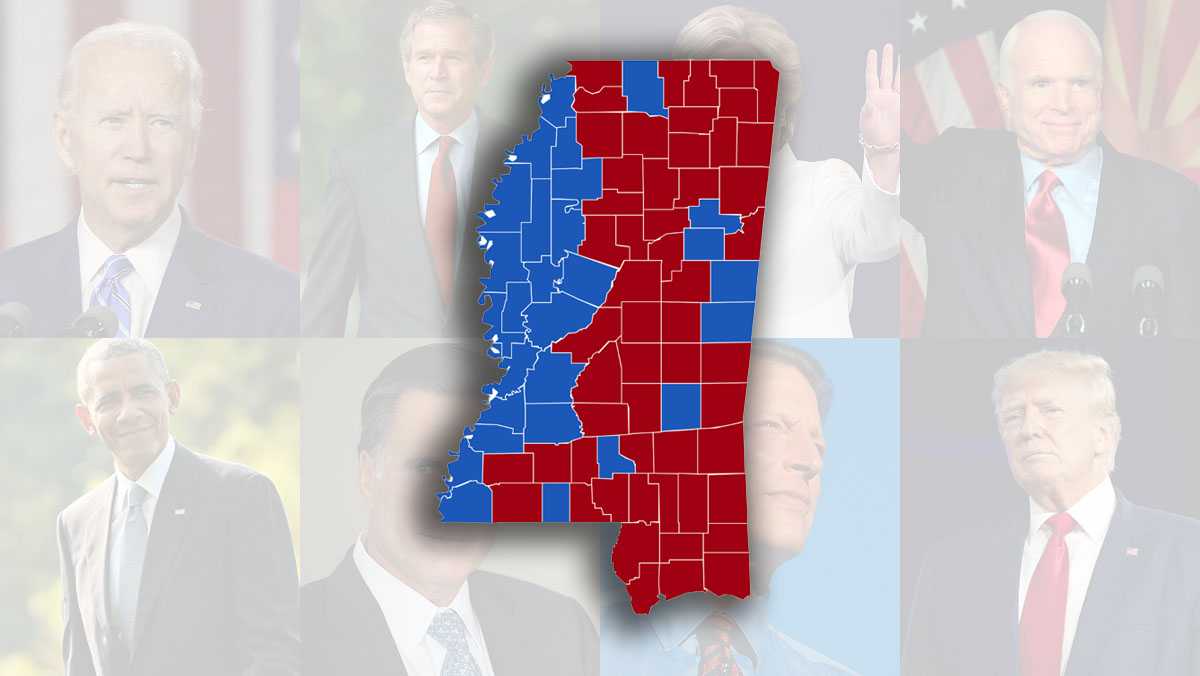
Mississippi operates as heavily Republican territory in national, local elections. Party strength runs deep. Voters in Mississippi navigate distinct political ecosystem driven demographic shifts, historical party realignments, shifting voter turnout rates.
Conservative stronghold rests on decades voter behavior.
Is Mississippi a Red State or a Blue State?
- Republican dominance shapes every branch state government.
- Democratic campaigns focus primarily on mobilizing urban turnout.
| Governor | Republican | 1999 |
|---|---|---|
| State Legislature | Republican | 2011 |
State party officials manage campaigns with eye on maintaining legislative majorities. Local political organizations work year-round. Voters cast ballots based on established party lines.
Political identity remains steady. Electoral maps show little variation from one election cycle next. Elections depend on voter turnout in specific districts.
Suburban growth changes local dynamics. Rural counties maintain high conservative vote totals. Party organizations spend years building local infrastructure.
State politics reflects national trends.
State data confirms durable nature partisan divide. Observers watching state see deeply entrenched partisan landscape. Political alignment Mississippi is defined clear historical boundaries, institutional control.
Voters have maintained steady conservative majority decades. Structural division between parties is evident in statewide offices. Party control has remained with Republicans across branches years.
Voters rely on established patterns when heading polls. Driving down rural highways past timberland, you see yard signs stay same year after year. Electoral maps change very little.
Voters across Mississippi keep sending conservative candidates office. Mississippi is firmly classified as red state in American politics. Republican candidates consistently win statewide elections, hold both United States Senate seats, maintain large majorities in state legislature.
Voting pattern reflects broader partisan alignment that defines state governance, federal representation in Mississippi. Walking into county courthouses from Jackson Gulf Coast reveals how deeply conservative infrastructure runs through local politics.
Statewide officials manage state agencies under Republican executive leadership, while rural districts reliably send conservative lawmakers capitol. Electoral maps show distinct voting blocs across state. Urban centers, specific Delta counties often support Democratic candidates, but margins rarely overcome rural conservative turnout.
- Hinds County consistently votes Democratic candidates in statewide, local races.
- Mississippi Delta region maintains high voter support Democratic Party.
- Suburban counties around Jackson provide reliable margins Republican nominees.
Transition from historically Democratic stronghold during Solid South era solid Republican stronghold took place gradually through late 20th century. Federal civil rights legislation altered southern voting coalitions, conservative voters shifted their party alignment over several election cycles.
| Era | Dominant Party | Key Political Dynamic |
|---|---|---|
| Pre-1960s | Democratic | Solid South alignment |
| 1970s-1990s | Transition | Split-ticket voting patterns |
| 2000s-Present | Republican | Unified conservative control |
State lawmakers establish voting rules, manage administration elections, draw legislative districts under federal guidelines. County election commissioners oversee polling places, process ballots on election night. Officials operate within statutory frameworks set Mississippi State Legislature.
Understanding political landscape requires examining history Mississippi elections rather than assuming outcomes based solely on national trends. Voter turnout varies widely between presidential election years, midterm cycles, affecting municipal, county results. Local issues often drive voter participation in ways that national party labels do not capture.






Comments 0
No comments yet. Start the conversation.