
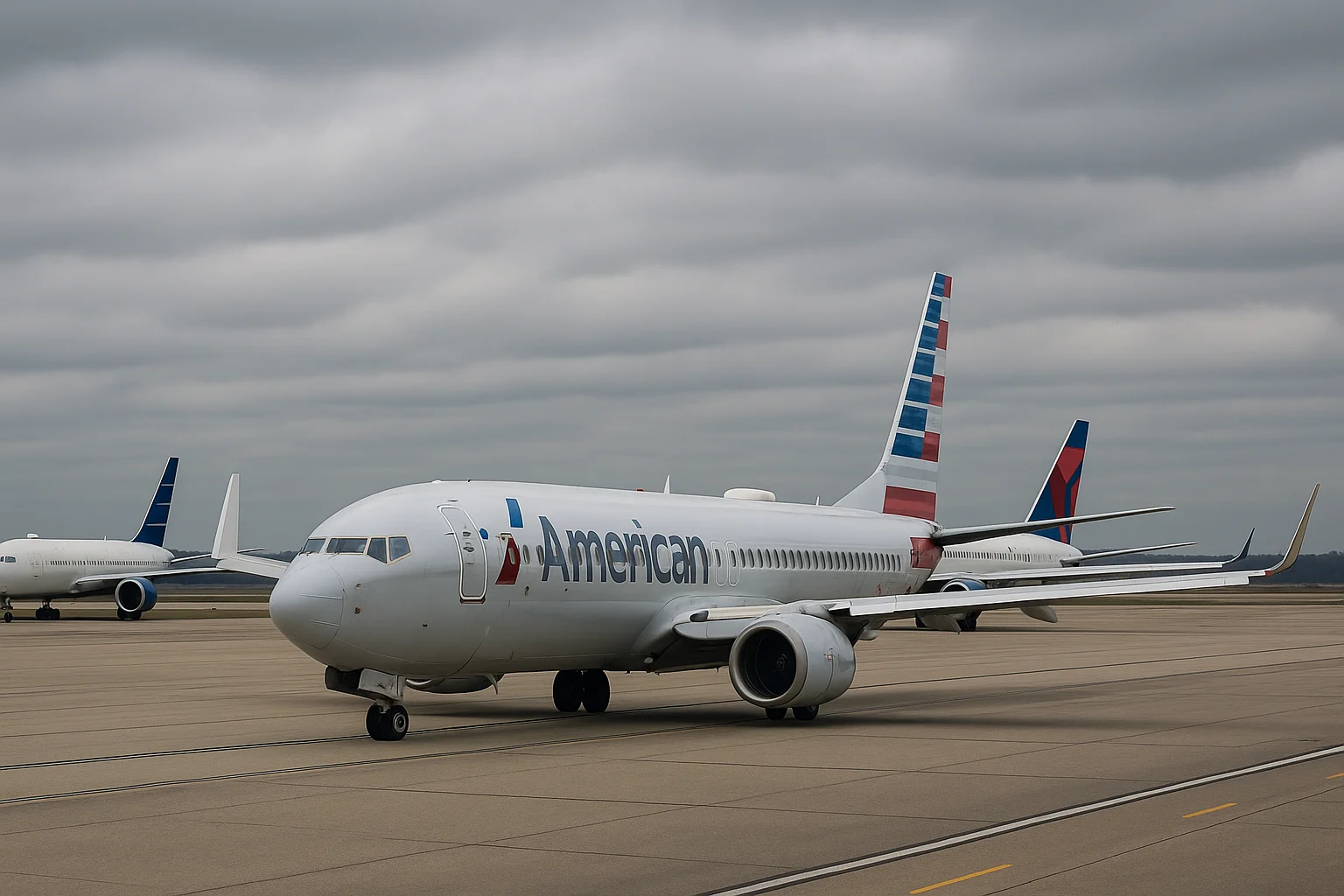
Planes sit idle on taxiways while crews await updated clearance windows. Communication breakdowns between carriers federal supervisors occasionally prolong waiting times.
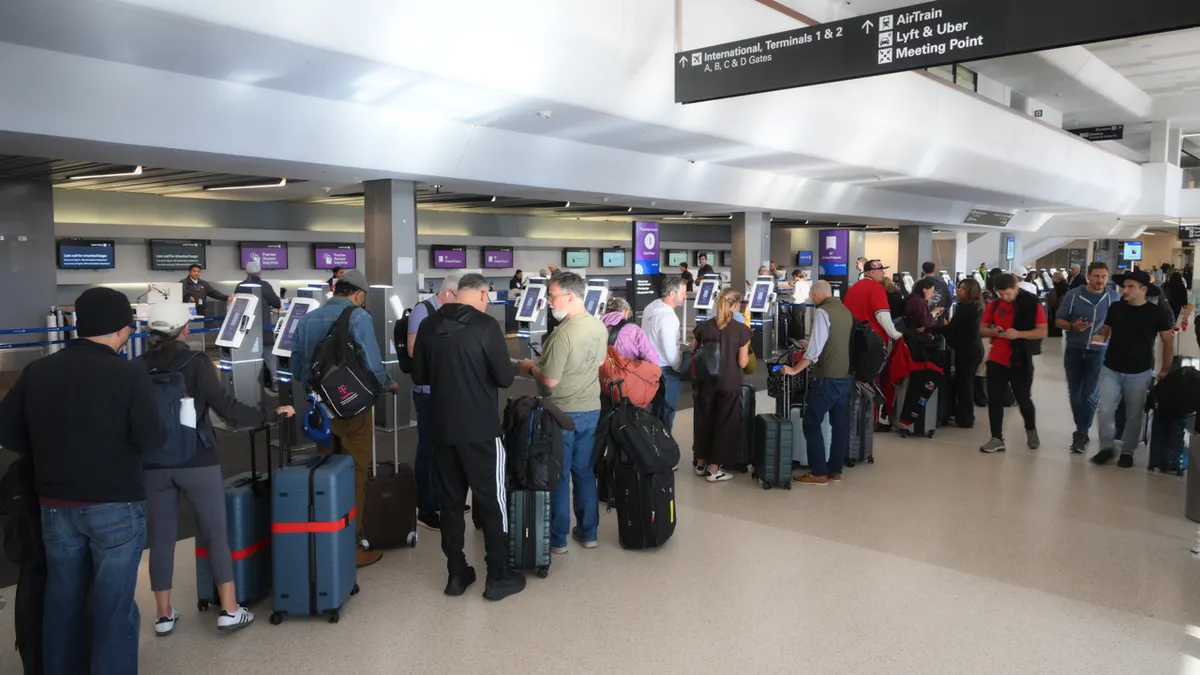
Departure boards display red delay notifications. Passengers crowd customer service desks seeking rebooking options. Gate agents distribute meal vouchers during extended holds.
FAA Ground Stop Flight Delays
Meteorologists provide updated weather clearance data supervisors. Dispatchers calculate revised departure routes stranded aircraft.
Ground Stop: 45 minutes. Cause: Weather equipment.
Ground Delay: 90 minutes. Cause: Volume management.
Ramp Delay: 30 minutes. Cause: Gate congestion.
Carriers manage backlogs prioritizing connecting passengers at risk missing international departures. Ground crews monitor fuel reserves while aircraft wait in designated holding areas near terminal. Travelers tracking incidents often review broader aviation policy updates gaining insight into how federal agencies regulate peak travel periods.
Air travelers appreciate clear communication when schedules unravel. Air traffic management decisions ripple across national flight paths within minutes. Single regional restriction can shift schedules nationwide.
Managing complex logistics demands constant coordination between airline hubs federal monitors. Regional capacity changes require rapid adjustments from ground crews scattered across tarmac zones. Gate agents handle immediate passenger volumes while terminals process updated routing charts.
Federal supervisors monitor radar screens closely spotting bottlenecks before congestion spreads. Operational procedures govern system pauses. Federal supervisors continuously monitor terminal radar displays evaluating local airspace density.
Regional controllers coordinate handoffs with adjacent facilities when severe storms force route adjustments across neighboring sectors. Local airport authorities adjust gate assignments accommodating delayed arrivals stacking up along tarmac. Maintenance teams inspect runway surfaces after severe weather passes through region.
Airport operators update public terminals as conditions evolve throughout day. Airport operations return normal schedules once federal supervisors lift regional flow restrictions across affected sectors. Federal aviation authorities implemented temporary ground stops across major regional hubs following sudden air traffic management challenges equipment issues.
Passengers faced immediate cascading delays as departure boards turned red at busy domestic terminals. Air traffic controllers managed congested airspace while technical teams worked restore full operational capability. Travel plans unraveled quickly across multiple states.
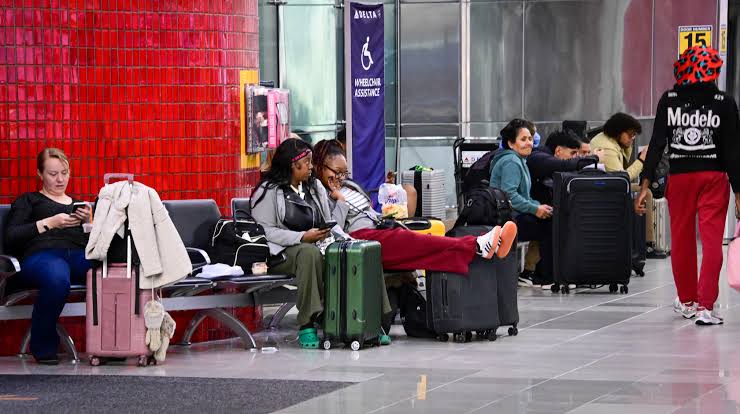
Travelers need clear facts when schedules break down during system disruptions. Airport waiting areas filled up as airlines processed rebookings managed stranded passengers. Ripple effects reached connecting flights from East Coast Midwest.
Airports move slower when screens turn red. Terminal seating disappears within minutes. Travelers lean against departure boards waiting updates.
Airline gate agents answer repetitive questions with calm persistence. Federal Aviation Administration issues ground stops maintain safe separation distances when automation systems lag radar feeds experience unexpected data drops.
Flight crews receive revised routing instructions from regional control centers. Maintenance technicians inspect local communication hardware faults. Gate agents distribute meal vouchers passengers facing multi-hour waits.
Every delay carries hidden costs regional carriers operating tight turnaround schedules. Planes stuck on tarmac miss subsequent slots at destination airports. Single software glitch can strand hundreds aircraft far from home bases.
Airlines must reposition pilots before normal service resumes.
Dispatchers recalculate fuel loads extended holding patterns. Baggage handlers manage mountains unclaimed suitcases. Customer service lines stretch past ticketing counters.


Comments 0
No comments yet. Start the conversation.