
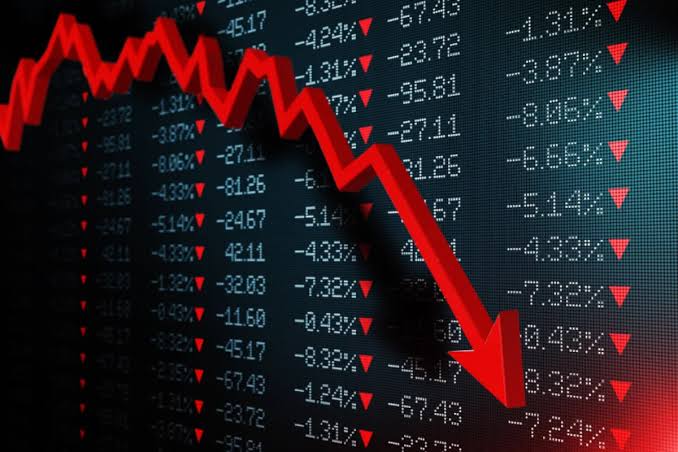
Equities tumble when institutional investors simultaneously rebalance portfolios manage risk. Selling starts quietly on electronic trading platforms before visible volume spikes drive prices lower. Elevated Treasury yields attract capital away from riskier equities, while disappointing corporate earnings revisions trigger sudden sell-offs.
Understanding equity retreats requires looking how institutional algorithms interact with human traders. High-frequency trading programs execute thousands orders in milliseconds once specific price threshold is breached. Market makers step back re-evaluate pricing models during heavy volume rushes.
Why did the market crash today and what is driving the stock market drop?
Retail investors often watch institutional shifts from sidelines while monitoring portfolio balances. Day traders navigate volatility purchasing inverse exchange-traded funds, buying put options. Long-term retirement accounts absorb fluctuations without triggering immediate portfolio liquidations.
Economic cycles dictate how long downward trend persists before buyers return support market. Analysts track historical trading patterns estimate duration major equity corrections. Every market cycle leaves distinct markers on future trading strategies.
Market participants watch shifts closely as asset prices adjust changing macroeconomic realities. Market makers step back reevaluate pricing models when order flow overwhelms normal capacity. Trading desks monitor indicators gauge market direction during high-stress sessions.
Order books thin out during unexpected sell-offs.
- Volume spikes signal institutional exits.
- Bid-ask spreads widen significantly.
- Liquidity dries up fast.
Portfolio managers assess risk parameters continuously. Volatility indices climb as traders hedge open positions against further losses. Trading floors empty out after closing bells ring across financial districts.
Screens dim across brokerage firms. Computers drive initial wave. Accounts hold steady through storm.
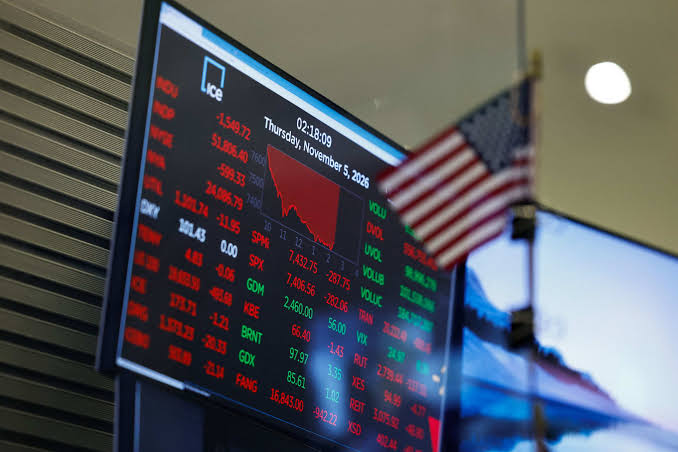
Investors review damage done broader stock market index funds overnight. Capital finds new floor. Stock markets move down when sellers outnumber buyers across major exchanges.
Investors face pressure from shifting economic indicators, interest rate expectations, corporate earnings reports. Panic selling accelerates decline. Market drops draw intense attention from retirement savers, day traders alike.
People want protect their portfolios against steep losses. Financial advisors monitor trading terminals closely while panic spreads. Trading floors experience heavy selling pressure when macroeconomic data misses expectations set Wall Street analysts.
Economic shifts drive down equity prices.
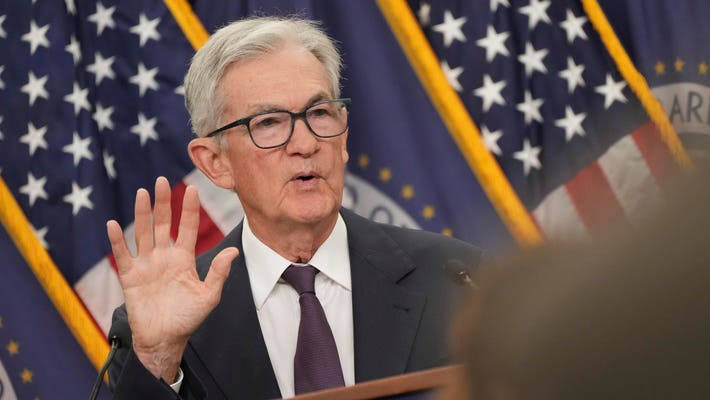
- Federal Reserve policy updates alter borrowing costs businesses.
- Inflation prints arrive higher than forecasted economists.
- Bond yields spike, pull capital away from equities.
- Earnings misses trigger sudden sell-offs in bellwether stocks.
Institutional investors adjust their holdings when economic signals flash warning signs. Algorithms execute large sell orders within seconds. Retail investors watch equity values drop on mobile trading apps.






Comments 0
No comments yet. Start the conversation.