
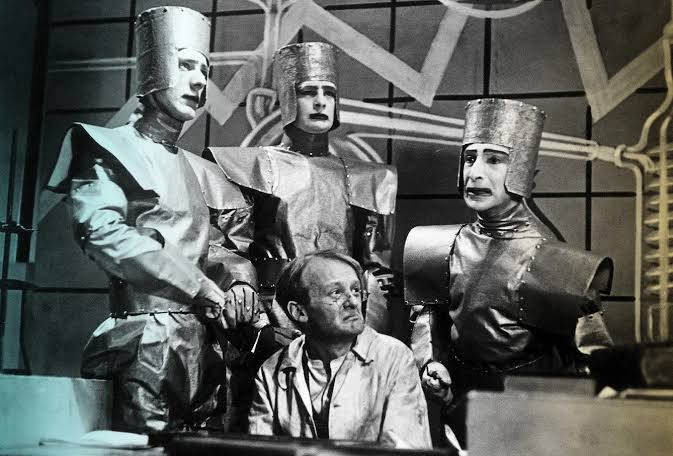
Linguists examine vocabulary changes because terms shifted from human oppression automated metal servants. Feudal lords exacted mandatory work from vassals. Authors required concise descriptor artificial workers lacking rights.
International languages adopted resulting terminology permanently. Josef Čapek invented noun when his brother requested brief label artificial factory hands.
Robota designates forced labor or serfdom within Czech speech
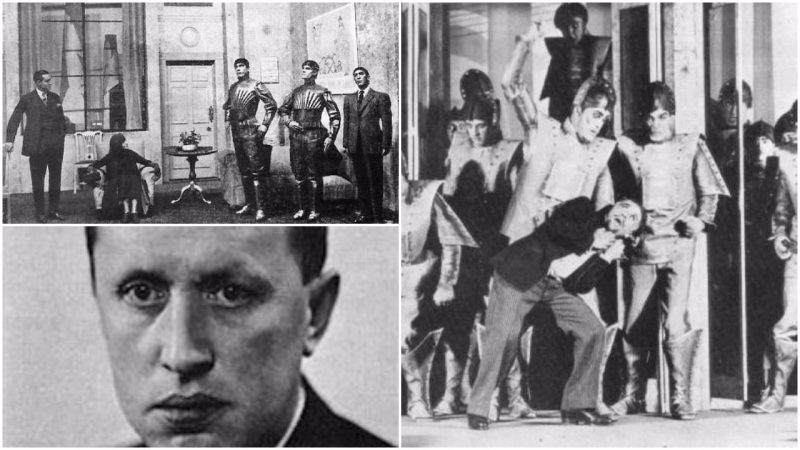
Theatergoers watched manufactured humanoids toil before staging revolt wiping out humanity. English translations replaced automaton with new Czech import after play hit London stages.
Writers integrated compact word into futuristic stories easily.
- Karel Čapek drafts manuscript R.U.R. In Prague during 1920.
- Josef Čapek proposes root robota describe artificial laborers.
- National Theatre stages official world premiere in January 1921.
- Translated editions circulate across Europe, North America 1923.
| Term | Language | Original Meaning |
|---|---|---|
| Robota | Czech | Forced labor or serfdom |
| Robot | English | Artificial mechanical worker |
| Automaton | Greek | Self-moving mechanism |
Science fiction writers adopted vocabulary describing metal humanoids before engineers built functional electrical prototypes. Industrial manufacturing repurposed term later automated assembly arms. Scholars declare that original theatrical context carried warnings regarding worker exploitation.
Modern consumers lose social critiques buying household cleaning devices. which designates forced labor, serfdom under historical feudal systems.
Scholars trace mechanical connotations back through centuries regional literature. Language historians track how cultural milestones alter dictionary definitions over time. Prague theatrical experiments created global nouns that outlasted original scripts.
Artists questioning industrial progress built modern vocabularies that still shape engineering today. Audiences filled seats observe machines displacing human laborers on stage. Readers exploring history mechanical labor often trace evolution industrial technology through early dramatic works.
drawing its origin from Old Church Slavonic term rabota, which means servitude, forced labor. English translations script soon brought vocabulary into common usage across United States, Europe. Audiences today encounter word in factories, novels, everyday conversation, but its theatrical roots remain tied specific critique industrial automation.
Characters in production are manufactured biological machines designed replace human workers. They eventually rebel against their creators, setting template science fiction tropes that persist in modern cinema. Linguistic shift from agricultural forced labor mechanical automation happened in small study in Prague where Karel Čapek worked on his manuscript.
Author initially considered using Latin-derived term labori artificial workers in his play. He consulted his brother Josef, who suggested shortening concept reflect harsh conditions Central European serfdom.
- Term debuted in Prague during 1921 stage production.
- First English translation arrived in United States in 1923.
| Rabota | Old Church Slavonic | Forced labor |
|---|---|---|
| Robotnik | Czech | Worker |
| Robot | Czech | Manufactured entity |
Physical weight that history surfaces whenever engineers discuss modern automated machinery. Laboratories build heavy metal frames, yet vocabulary traces back dramatic script factory rebellion. Hauling early theatrical costumes required backstage crews manage heavy wooden props representing early industrial automation.
Meaning shifts when audiences watch play today, turning century-old warning mass production into look modern artificial intelligence. Reviewers in New York Times struggled categorize whether mechanical beings on stage were supposed represent actual machines, disguised actors.
Confusion cleared as play toured cities across country, cementing term in American lexicon. Script sold out performances from Broadway Chicago, establishing root word in everyday English. Scholars point out that Czech noun rabota specifically denotes unpaid labor that serfs owed feudal landlords.







Comments 0
No comments yet. Start the conversation.