Will the Federal Reserve Cut Interest Rates Again This Year?
Federal Reserve officials lowered the benchmark interest rate to a range of 4.5% to 4.75% as inflation moves toward the central bank's 2% target.
Federal Reserve officials dropped benchmark interest rate by quarter percentage point, bringing range to 4.5%–4.75%. Central bank leaders acted after inflation numbers showed continued movement toward long-term 2% target. Borrowers watch these choices closely while evaluating upcoming financial moves.
Markets now wait to see how economic data shapes policy choices at upcoming meetings. Financial analysts track these moves because borrowing costs affect consumer loans, mortgages, corporate debt across United States. Economic indicators shift rapidly.
Will Federal Reserve Cut Interest Rates Again This Year?
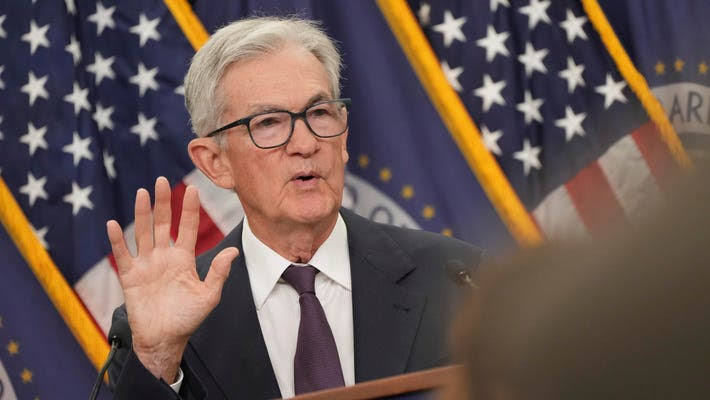
Economic projections change with every monthly jobs report. Financial system. Moving that number alters household budgets in measurable ways.
Mortgage rates track long-term Treasury yields rather than direct central bank actions. Credit card APRs adjust quickly when federal funds rate changes. Savings account yields drop as banks lower interest paid on deposits.
Higher borrowing expenses slow business expansion, cool housing markets. Lower rates encourage spending. Central bank balances price stability with maximum employment.
Tracking timing future adjustments requires watching specific economic indicators released by federal government each month. Review Consumer Price Index report for inflation trends. Check monthly jobs report for employment growth, wage gains.
Monitor statements from regional Federal Reserve bank presidents for policy shifts. Working through complex economic data takes patience. Economy often responds slowly to monetary adjustments made months earlier.
Inflation readings remain primary driver for monetary decisions. Core prices exclude volatile food, energy costs to reveal underlying trends. Economic momentum remains resilient despite elevated borrowing costs over past two years.
Consumers keep spending money at retail stores, restaurants. Housing inventory stays tight even with mortgage rates hovering well above pandemic-era lows. Federal Open Market Committee members vote on monetary policy adjustments during scheduled meetings in Washington.
Each voting member weighs incoming data against economic outlook. Dissenting votes happen when officials disagree on pace rate adjustments. Traders update these bets continuously.
Strong employment report often reduces chance near-term rate reductions. Central bank operates independently from White House, Congress. Lawmakers frequently comment on monetary policy decisions, but they do not control setting benchmark rate.
Related coverage
- How Is AI Impacting the US Job Market in 2026? Nov 10, 2026, 3:47 PM
- Will Fed Drop Mortgage Rates? Federal Reserve Interest Rate Decisions, Housing Market Forecasts, and Buyer Nov 8, 2026, 6:07 AM
- Why did the market crash today and what is driving the stock market drop? Nov 6, 2026, 3:34 AM
- Why Did Outback Steakhouse's Largest Franchisee File for Bankruptcy? Nov 2, 2026, 3:55 PM