Why Is Fighting Allowed in Hockey?
Professional ice hockey continues to permit on-ice fighting as athletes and league executives treat physical altercations as a self-regulating safety valve.
Players receive penalties rather than automatic ejection in many situations.
Physical competition long-standing traditions player protection have contributed hockey fighting culture. Despite historical acceptance concerns about concussions serious injuries continue shaping discussions.
Why Is Fighting Allowed in Hockey?
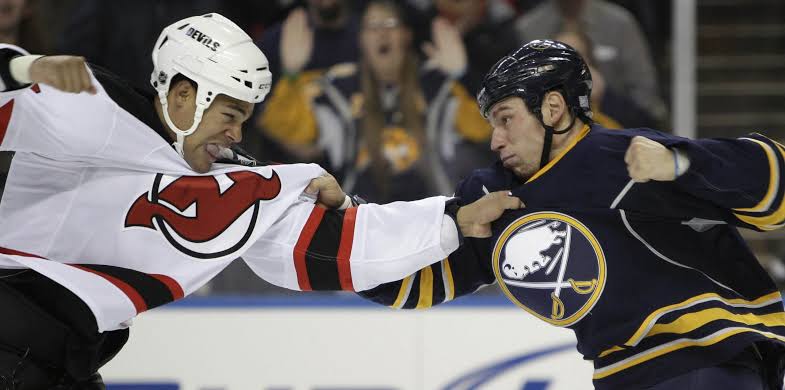
Fighting remains punishable conduct not unrestricted activity. Additional penalties may apply when players initiate confrontations continue punching defenseless opponents violate other regulations.
Historically hockey teams relied on designated enforcers discourage dangerous hits against skilled teammates. Physical intimidation became part traditional team strategy.
Players sometimes respond aggressively after heavy body checks dangerous contact perceived unfair treatment. Such reactions reflect hockey's informal tradition self-policing.
Supporters argue fighting can discourage repeated aggression. Critics question whether retaliation genuinely improves safety particularly given concussion risks.
Referees assess penalties during confrontations. Linesmen generally intervene when safe separating players once circumstances permit.
Immediate intervention can expose officials accidental punches falling players additional injuries. Timing depends on severity positioning safety considerations.
Standard fighting penalties usually require five minutes in penalty box. Instigator penalties misconduct penalties game misconducts may increase punishment.
NHL disciplinary officials can review particularly serious incidents. Additional fines suspensions remain possible depending on conduct.
Hockey fighting developed alongside early professional competition. Physical play informal enforcement traditions became deeply established across North American leagues.
During 1970s specialized enforcers gained prominence. Teams frequently employed physically imposing players responsible responding opponents' aggressive behavior.
Modern NHL rosters place greater emphasis on skating ability offensive production defensive responsibility. Dedicated fighting specialists have become less common.
Medical research concerning repeated head impacts has increased scrutiny fighting. Concussions facial injuries hand injuries remain significant concerns.
Youth hockey collegiate competitions international leagues often impose stricter fighting consequences than NHL. Enforcement therefore differs across competitive levels.
NHL teams balance physical toughness with penalty discipline. Unnecessary fights can disrupt momentum remove important players from play create additional injury risks.
Related coverage
- Why Is Aaron Rodgers Benched? Nov 25, 2026, 2:09 PM
- Is there an international nfl game this week 2026 schedule, Week 12 matchups, Mexico City recap and remaining Nov 23, 2026, 3:30 AM
- Who is mr irrelevant movie about: John Tuggle, David Corenswet, Bill Parcells and release date Moviefone Nov 23, 2026, 3:28 AM
- Why Are the 49ers Playing in Mexico? Nov 23, 2026, 3:25 AM