Why is Chicago called the Windy City?
Explore the history behind the Windy City nickname, separating real meteorological lake breezes from 19th-century political rivalries and newspaper feuds.
Many Americans assume name comes directly from strong gusts freezing winter weather powerful winds surrounding downtown skyscrapers. Historical evidence points toward another explanation involving nineteenth-century newspaper rivalries outspoken politicians ambitious civic leaders.
Weather certainly contributes Chicago's reputation especially during winter storms spring breezes sudden temperature changes near lakefront. Yet political boasting promotional enthusiasm rival newspaper commentary played important roles in popularizing nickname. Understanding its origins requires examining historical reporting alongside actual meteorological conditions.
Why Is Chicago Called Windy City?
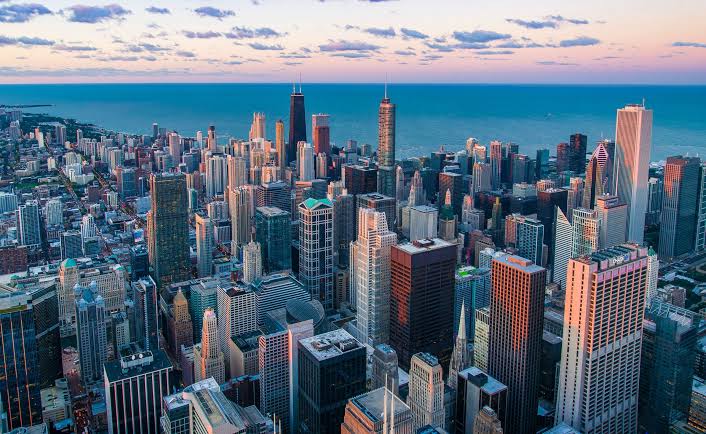
Contrary common belief Chicago is not consistently ranked America's windiest major city. Several other locations experience stronger average winds depending on measurement period weather station geographic boundaries.
Historical journalists used descriptions windiness criticize excessive talking exaggerated political claims aggressive promotion Chicago's achievements. Such language reflected broader competition among rapidly expanding American cities.
During nineteenth century Chicago transformed into major transportation commercial industrial center. Railroads manufacturing agricultural trade expanding population contributed remarkable economic growth.
Local politicians frequently promoted Chicago as future leader among American metropolitan centers. Their ambitious statements attracted admiration from supporters skepticism from competitors.
Newspaper editors from rival cities sometimes characterized Chicago's civic leaders as overly confident boastful excessively talkative. Windy became useful description both atmospheric conditions political rhetoric.
Nickname gradually entered wider public conversation eventually becoming permanent part Chicago's identity. Today it appears in tourism materials sports discussions local businesses cultural references.
One widely repeated explanation connects nickname with rivalry between Chicago New York during competition host 1893 World's Columbian Exposition.
According popular folklore New York newspaper editor Charles Dana used Windy City ridicule Chicago's aggressive campaign international exhibition.
However historical research has identified newspaper references Chicago as Windy City decades before exposition competition. Earlier appearances undermine claims that phrase originated exclusively during 1890s rivalry.
Chicago had already developed reputation energetic civic promotion before world's fair campaign. Political enthusiasm commercial expansion public ambition created favorable conditions nickname spread.
Historical newspaper references from 1870s demonstrate established association between Chicago wind-related descriptions. Some early examples concerned actual weather others reflected broader criticism civic behavior.
Exact single moment when nickname first appeared remains difficult establish conclusively. Historical newspapers contain overlapping uses evolving meanings regional variations.
Language frequently develops through repeated informal references rather than one identifiable invention. Chicago's nickname appears follow similar pattern.
Weather-related meaning remained plausible because city occupies prominent position along southwestern shore Lake Michigan. Large body water influences local temperatures seasonal breezes atmospheric circulation.
Lake Michigan affects Chicago weather throughout year. Temperature differences between water surrounding land can generate localized wind patterns particularly during warmer months.
During spring relatively cold lake water can cool nearby neighborhoods generating noticeable temperature contrasts across metropolitan area.
Summer lake breezes sometimes provide relief from inland heat although wind direction regional weather systems determine actual cooling effects.
Autumn brings shifting pressure patterns stronger storm systems changing seasonal temperatures. Wind conditions vary substantially between individual days.
Winter can introduce intense cold fronts powerful gusts blowing snow dangerous wind chills. Exposure near Lake Michigan often makes outdoor conditions feel especially severe.
Despite reputation Chicago does not automatically experience stronger average winds than every other major American city. Weather statistics depend on location elevation measuring equipment observation period.
Amarillo Texas frequently appears among particularly windy American cities. Open terrain regional pressure systems geographic exposure contribute consistently noticeable winds.
Boston Massachusetts also experiences substantial winds especially during coastal storms strong seasonal weather systems.
Chicago's annual average wind speed is commonly reported near 10 miles per hour in some historical datasets. Exact figure changes depending on weather station years examined measurement methodology.
Original comparison lists Amarillo at 13.5 miles per hour Boston at 12.4 miles per hour Chicago at 10.3 miles per hour. Such figures should be interpreted as illustrative historical estimates rather than definitive current national ranking.
Different datasets can produce different results. Airport weather stations lakefront monitoring locations elevated instruments may record noticeably different conditions.
Wind measurements from airport environments may differ from readings collected inside dense downtown neighborhoods. Surrounding buildings terrain vegetation influence local air movement.
Chicago's skyline adds another distinctive dimension. Tall buildings alter wind patterns redirect air currents create turbulent conditions along particular streets.
Pedestrians walking between skyscrapers sometimes experience sudden gusts stronger than conditions reported at nearby weather stations.
Urban canyon effects can channel airflow along streets particularly where building orientation aligns with prevailing winds.
Wind acceleration around building corners may produce unexpectedly strong localized gusts. Such effects depend on surrounding architecture wind direction building height.
Downtown streets near Chicago River Michigan Avenue lakefront parks can feel especially exposed during unfavorable weather conditions.
However skyscrapers do not uniformly increase wind speed throughout city. Buildings may also block airflow create sheltered areas generate complex turbulence.
Experienced meteorologists distinguish regional wind conditions from localized effects produced urban structures.
Wind speed usually refers horizontal movement air measured over specified period. Sustained wind peak gust average wind represent different meteorological quantities.
Sustained wind describes speed maintained over defined observation interval. Gusts represent brief increases above surrounding wind conditions.
Wind chill describes effect moving air on exposed skin during cold weather. Lower temperatures combined with stronger winds can increase risk frostbite hypothermia.
Chicago winters occasionally produce dangerous wind chills particularly when Arctic air arrives alongside strong pressure gradients.
Such episodes reinforce popular association between Windy City harsh winter conditions. Residents frequently encounter freezing temperatures sharp gusts rapidly changing forecasts.
Yet winter weather alone cannot fully explain nickname's historical development. Political associations existed within newspaper culture long before modern weather monitoring became widespread.
Nineteenth-century Chicago newspapers reflected growing competition among American urban centers. Editors frequently compared economic achievements population increases infrastructure political influence.
Chicago's expansion challenged older commercial centers attracting criticism from competing newspapers. Civic leaders promoted ambitious projects improvements international recognition.
Critics sometimes described local boosters as excessively enthusiastic. Windy rhetoric offered memorable metaphor inflated statements lengthy speeches unrealistic predictions.
Such language operated as political satire rather than meteorological analysis. Newspaper readers understood double meaning within descriptions prominent city.
Rivalries among Chicago Cincinnati St. Louis New York contributed competitive media environment. Regional newspapers defended local interests while criticizing neighboring cities.
Cincinnati newspapers appear within historical discussions Windy City nickname reflecting longstanding rivalry between growing Midwestern commercial centers.
Chicago eventually surpassed several competitors in population industrial production transportation importance. Its success gave local promoters additional material civic celebration.
Critics responded emphasizing boastfulness exaggeration excessive political confidence. Nickname served as convenient shorthand public perception.
Popular Charles Dana story remains part Chicago folklore despite chronological problems. Its persistence demonstrates how memorable narratives can overshadow earlier historical evidence.
World's Columbian Exposition took place in Chicago during 1893 commemorating four hundredth anniversary Christopher Columbus's first voyage Americas.
Chicago competed with several American cities privilege hosting major international exhibition. Campaign generated intense political lobbying substantial fundraising national attention.
Chicago ultimately secured hosting rights delivering event that transformed international perceptions city's architectural industrial cultural achievements.
World's fair attracted millions visitors showcased innovative technologies introduced monumental exhibition architecture expanded Chicago's global profile.
Its celebrated White City featured grand exhibition buildings landscaped grounds electric lighting influential urban design.
Frederick Law Olmsted contributed landscape planning while Daniel Burnham played central role in exposition development.
Fair became powerful symbol Chicago's ambition. Its success reinforced reputation bold civic planning large-scale organizational capability.
Because competition surrounding exposition involved enthusiastic local promotion Windy City nickname became naturally associated with that historical period.
Nevertheless nickname predates fair. Exposition likely helped strengthen public association rather than create phrase from nothing.
Historical interpretation therefore favors gradual development involving both civic rhetoric real environmental conditions.
Some historians emphasize political origin while others note early weather-related usage. Available evidence does not require choosing one exclusive explanation.
Multiple meanings can coexist within enduring nickname. Public familiarity often grows precisely because phrase works on several levels.
Chicago certainly experiences substantial seasonal winds. Lake Michigan continental weather systems exposed urban environments contribute noticeable conditions.
Its politicians also developed reputation confident speeches vigorous boosterism during period rapid growth.
Such combination made Windy City especially effective label. Weather supported literal meaning political culture strengthened figurative interpretation.
Modern Chicago residents frequently embrace nickname without emphasizing nineteenth-century criticism. Formerly mocking expression became symbol local identity.
Tourism campaigns sports coverage cultural institutions commercial organizations use Windy City as familiar reference Chicago.
American sports broadcasts regularly describe teams traveling Windy City. Media headlines use phrase as alternative repeating city's name.
Popular references also appear within music literature film television. Chicago's recognizable nickname serves as shorthand its urban character.
Visitors encountering strong winds along lakefront may assume explanation requires no historical research. Immediate physical experience appears confirm popular belief.
Walking near Navy Pier during chilly weather can certainly reinforce impression unusually windy destination.
Lakefront Trail Grant Park Millennium Park other exposed public spaces may experience gusty conditions during passing weather systems.
Warm-season lake breezes can feel pleasant while winter gusts create uncomfortable conditions pedestrians.
However one windy afternoon offers little evidence about average annual wind rankings. Meteorological comparisons require long-term observations rather than isolated experiences.
National Weather Service provides weather observations forecasts historical climate information through official monitoring networks.
National Oceanic Atmospheric Administration maintains climate records useful understanding regional wind patterns long-term variability.
Historical weather statistics can help distinguish broad climatological patterns from subjective impressions.
Wind records generally require careful interpretation. Differences between station placement measurement height observation periods can alter apparent rankings.
Even within Chicago metropolitan area conditions may vary considerably between O'Hare International Airport Midway International Airport shoreline locations.
Average wind speed near lakefront may differ from readings farther inland. Seasonal patterns also influence annual values.
Spring often brings changeable winds associated with temperature contrasts migrating pressure systems. Summer weather may feature lake breezes thunderstorms relatively calmer intervals.
Autumn transition introduces stronger frontal systems. Winter occasionally delivers severe gusts during intense low-pressure systems Arctic outbreaks.
Original seasonal estimates 11.5 miles per hour during spring 9.2 during summer 11.8 during winter lack identified observation period or station. They should not be treated as verified current climatological averages.
Reliable seasonal comparisons require consistent measurement location observation methods clearly defined dates.
Chicago's weather reputation remains culturally powerful regardless exact rankings. City combines prominent lakefront dramatic skyline frequently changing seasonal conditions.
Its geographical setting creates visually memorable experiences especially when strong winds generate waves along Lake Michigan.
During severe storms shoreline areas may face dangerous waves flooding concerns hazardous walking conditions.
Weather alerts from National Weather Service provide important guidance during high-wind events winter storms extreme cold.
Residents visitors should follow official forecasts when planning outdoor activities near water especially during hazardous conditions.
Historical nickname does not imply constant severe weather. Chicago experiences comfortable spring days warm summers colorful autumns varied winter conditions.
Tourists visiting Chicago throughout year encounter very different climates depending on season.
Summer attractions include architecture cruises neighborhood festivals lakefront recreation outdoor dining. Pleasant weather often supports extensive walking around city.
Autumn offers cooler temperatures seasonal cultural events changing foliage. Weather can fluctuate considerably as winter approaches.
Winter brings colder conditions occasional snowstorms stronger wind chills. Appropriate clothing becomes particularly important around exposed downtown streets.
Spring conditions may shift rapidly between mild sunshine chilly breezes rain. Lake Michigan can influence temperatures near shoreline.
Although weather explains popular impression nickname's political history adds distinctive cultural significance.
Chicago's nineteenth-century identity developed around rapid expansion economic ambition competition with established cities.
Politicians newspaper publishers commercial promoters contributed image metropolis determined achieve national prominence.
Criticism excessive boasting became intertwined with admiration impressive development. Windy City captured that combination confidence controversy.
Transformation from insult into celebrated identity demonstrates how urban language changes across generations.
Many American cities possess nicknames rooted in geography history commercial reputation cultural associations. Chicago offers particularly memorable example because its label carries overlapping meanings.
New York is widely known as Big Apple Philadelphia as City Brotherly Love New Orleans as Big Easy. Chicago's Windy City identity stands alongside these enduring American expressions.
Such names simplify complex histories into recognizable phrases. Their popularity often outlasts original circumstances that inspired them.
Today relatively few residents connect Windy City directly with old newspaper disputes. Physical weather local pride cultural familiarity dominate everyday interpretation.
Historical research restores earlier political context revealing how journalists influenced public understanding growing American cities.
Chicago's nickname appears in nineteenth-century sources before 1893 World's Columbian Exposition. Evidence therefore challenges familiar claim that one newspaper editor invented it during world's fair competition.
Related coverage
- Is there an end credit scene in Sunrise on the Reaping? Nov 20, 2026, 6:55 PM
- Who Is Left on Dancing with the Stars Remaining Contestants, Finalists and Current Cast Status Nov 18, 2026, 5:45 PM
- Director Boyfriend Dead at 43 Tributes, cause of death and reaction from Hollywood Nov 17, 2026, 6:16 AM
- Did Noah Kahan Get Nominated for a Grammy 2027: Categories, major snubs and recording academy reactions Nov 17, 2026, 5:57 AM