Why Do Some States Not Have Midterm Elections?
Discover why certain states omit local voting during congressional midterms as regional authorities establish independent voting schedules under the Tenth Amendment.
Citizens nationwide reach polling places during disparate intervals relying on target position. Congressional statutes mandate that federal races occur every two years, whereas regional scheduling follows alternative patterns.
Divided timeline causes citizens question why distinct territories omit local voting during congressional midterms.
Governors, regional lawmakers establish their own voting schedules under Tenth Amendment.
Numerous states intentionally shift their executive contests into odd-numbered years, presidential cycles segregate local matters from national campaigns. Insulation maintains voter focus upon regional guidelines.
Why Do Some States Not Have Midterm Elections?
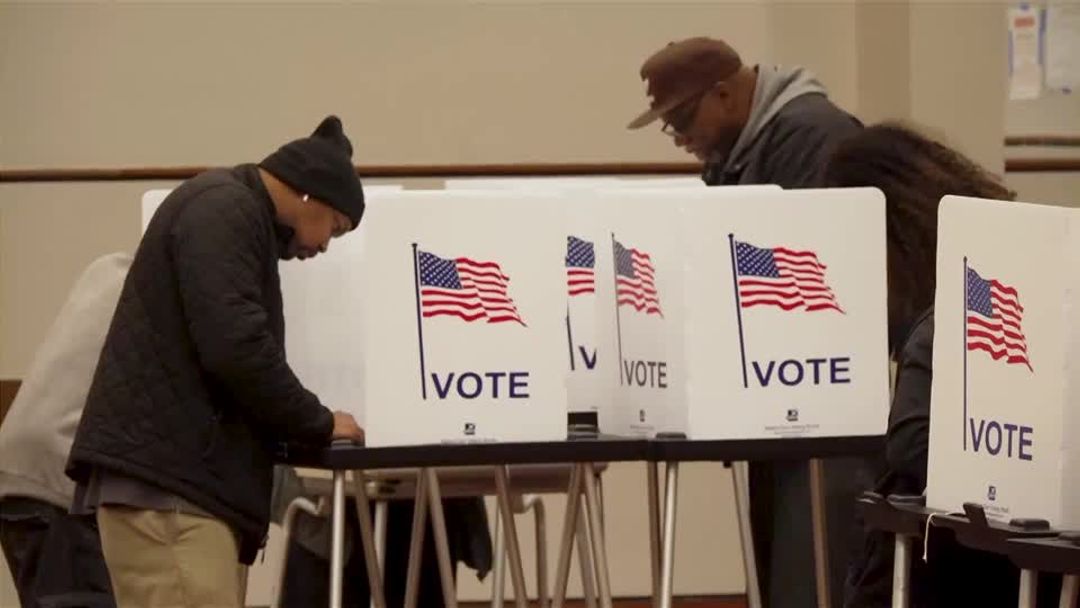
Electors select all 435 House seats, approximately one-third Senate during those periods. Regional authorities determine whether attaching their own leaders toward those national ballots occurs. Shifting regional contests away from midterms alters operational campaigns.
Virginia holds executive races during odd-numbered years following presidential contests. New Jersey selects its governor throughout identical odd-numbered cycle, Virginia. Federal midterm dates remain fixed nationwide nineteenth-century act Congress.
Shifting municipal contests off federal calendar incurs expenses. Counties must staff polling locations standalone competitions. Turnout frequently declines when presidential contests leave ballot.
Campaigns confront reduced visibility absent top-of-the-ticket energy driving voter registration. Media markets charge peak advertising rates during concurrent federal windows. Separate schedules help smaller regional matters breathe.
Candidates debate municipal taxation, road funding without national media noise drowning individuals out. Voters encounter disparate ballots relying upon their postal code. Regional legislatures retain authority over municipal elections, school board votes.
Certain municipal governments hold spring elections avert partisan noise completely.
| State, Entity | Election Schedule Timing | Primary Focus |
|---|---|---|
| Virginia | Odd-numbered years following presidential contests | Executive races |
| New Jersey | Odd-numbered electoral cycles | Gubernatorial contests |
| Louisiana | Federal voting years | Blanket primary method |
Manage this complex scheduling, local election offices follow specific administrative steps.
- State legislatures set regional voting dates under Tenth Amendment authority.
- County election boards staff polling locations standalone contests.
- Municipal governments organize separate spring ballots avoid federal overlap.
State capitals continue manage these distinct electoral calendars. Voters standing outside rural county offices in November notice immediately how quiet parking lot remains during congressional midterms. Elections federal offices in United States do not happen all at once every legislative seat, leading cycles where certain states cast ballots different positions than others.
Article I U.S. These staggered lengths mean that legislative bodies undergo continuous renewal rather than complete turnover at one single moment. Territories, federal district add structural differences how legislative representation works nationwide.
Residents living in Washington, D.C., U.S. This structural exclusion means that those populations do not participate in standard congressional elections in same way residents 50 states do. Division stems from constitutional rules regarding federal districts, territorial governance.
Every state participates in these federal legislative races because federal law mandates uniform election day across country. Still, absence statewide federal contests rarely occurs, as every state contains congressional districts that require representatives. Confusion over missing elections usually arises from state-level office scheduling rather than federal voting omissions.
- Gubernatorial elections occur in 36 states during midterm years.
- Local municipal races follow independent municipal calendars.
- Judicial retention votes appear on specific state ballots.
State constitutions dictate when governors, state legislators face voters, creating variations across country. Kentucky, Louisiana, Mississippi, New Jersey, Virginia elect their governors in odd-numbered years. Separation keeps state political debates distinct from national presidential campaigns.
Voters in those jurisdictions experience quieter ballot years when federal offices remain closed local campaigning. Voters often notice that legislative contests disappear from their ballots when state senators serve four-year terms that overlap unevenly with federal cycles. Legislative districting maps also shift every 10 years following U.S.
Related coverage
- Why Is Pete Hegseth Facing Impeachment? Nov 10, 2026, 3:40 PM
- Is Dana White the New Press Secretary? Trump Offer, UFC CEO Response, and White House Rumors Nov 8, 2026, 6:05 AM
- Why Didn't Gavin Newsom Run for Governor? Nov 6, 2026, 9:13 AM
- Is Mississippi a Red State or a Blue State? Nov 5, 2026, 3:28 AM