FEMA Emergency Alert System How nationwide tests, alerts and mobile notifications work
Federal emergency officials test the national warning infrastructure to ensure wireless devices, radio stations and television networks can broadcast urgent safety notices.
Federal emergency officials regularly test national warning systems checking whether mobile phones radio stations television networks can deliver urgent public safety messages. Federal Emergency Management Agency coordinates these exercises with Federal Communications Commission. During nationwide tests millions compatible cell phones receive distinctive alert tones emergency notification messages.
Emergency warning systems can reach large audiences within seconds. Public safety agencies conduct periodic checks confirming communication networks remain functional before serious emergencies occur. Technical infrastructure receives regular updates.
FEMA Emergency Alert System How nationwide tests alerts mobile notifications work
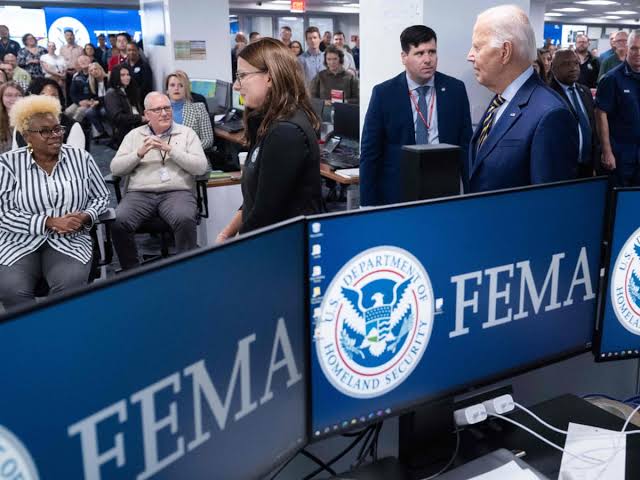
Communication equipment gradually becomes outdated. Engineers inspect local cell towers verify emergency signals transmit without unnecessary delays. Regular testing helps identify technical weaknesses before serious problems develop.
During nationwide wireless alert tests participating cell towers broadcast special digital signals across coverage areas. Compatible phones connected with supported networks produce distinctive warning sounds display standardized emergency messages. Certain emergency alerts can override silent settings on compatible devices.
Modern smartphones generally support wireless emergency notifications. Older devices may experience problems receiving alerts because outdated software hardware limitations. Emergency warning infrastructure uses separate distribution systems. Wireless Emergency Alerts deliver geographically targeted messages through participating cellular networks.
Wireless providers transmit emergency messages through designated network infrastructure delivering notifications through local cell towers. Authorized officials follow federal procedures when issuing public safety warnings. National alerts can communicate urgent information involving major nationwide emergencies.
Imminent threat alerts warn communities about severe weather dangerous local conditions. AMBER Alerts provide information supporting searches abducted children. Sudden warning tones can surprise motorists traveling on highways customers shopping inside grocery stores.
Emergency communication networks must process large numbers notifications within very short periods. Regular testing helps maintain reliable system performance.
Wireless Emergency Alerts use participating cellular networks local cell towers reaching compatible mobile devices within relevant geographic areas. Emergency Alert System relies on participating broadcast stations cable providers other distribution services delivering urgent messages through television radio.
Maintaining emergency alert infrastructure requires continued attention from network operators. Engineers monitor synchronization across communication equipment helping prevent technical conflicts during large-scale alerts. Maintenance teams inspect backup batteries at remote transmission sites before peak storm seasons.
Power failures can interrupt normal communications. Backup generators may activate automatically when commercial electricity supplies become unavailable. State emergency management agencies coordinate local broadcasting procedures with participating regional television stations.
Broadcast control operators can interrupt scheduled programs after receiving authenticated emergency messages. Engineering personnel regularly examine equipment responsible switching broadcasts into emergency mode. Faulty components require repair replacement.
Mobile network operators maintain specialized gateways responsible receiving public safety messages from authorized federal sources. Emergency notifications use dedicated distribution procedures rather than ordinary messaging services. Network congestion can increase during major disasters making reliable emergency communication especially important.
Older smartphones may struggle with emergency notifications when operating systems firmware remain outdated. Rural communities can experience weaker cellular coverage because transmission towers are widely separated. Thick concrete walls may reduce signal reception inside certain buildings.
Technicians identify areas with unreliable reception during routine network inspections. Federal agencies review performance information following major testing exercises. Equipment manufacturers examine technical results developing improvements future mobile communication hardware.
Software updates help address technical weaknesses. Public safety communication systems depend on continuing improvements in hardware network performance coverage. Federal regulators generally arrange major nationwide tests well before scheduled dates.